
Learn About Low-Dose Lithium for Mental Health
Learn about low-dose Lithium for improving mental and brain health and its impact on concussion treatment,
Learn About Low-Dose Lithium for Mental Health Treatment and Recovery
Learn More About the Lithium Inflammation Psychiatry (LIP) and Low-Dose Lithium for Mental Health Research Study at the Karolinska Institute
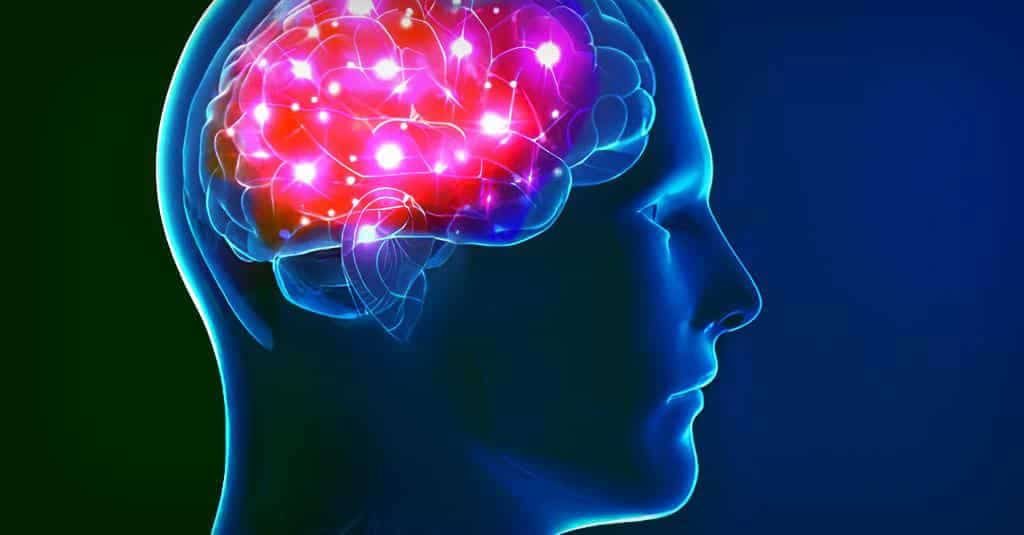
In recent years, low-dose lithium has gained recognition as a promising ally in mental health. Understanding the implications of and about the Lithium Inflammation Psychiatry (LIP) can lead to better patient outcomes. Traditionally used to treat bipolar disorder, emerging research highlights its broader potential in emotional regulation, cognition, mood enhancement, and neuroprotection. In low doses, lithium can improve various mental health conditions and act as a natural anti-inflammatory. Lithium is a naturally occurring mineral found in food and water. As a metal and salt that conducts and stores energy in the brain, increasing natural lithium levels can better distribute neuronal energy and inhibit aging enzymes like GSK-3. Balanced energy promotes a positive mood, supports brain detoxification, and enhances overall emotional wellness. Research findings from About the Lithium Inflammation Psychiatry (LIP) emphasize its importance in psychosocial interventions. Understanding the principles of About the Lithium Inflammation Psychiatry (LIP) can provide insights into its diverse applications.
Information on and About the Lithium Inflammation Psychiatry (LIP) can be Pivotal in Understanding its Therapeutic Benefits
Standard lithium prescriptions typically range from 600 to 1200 milligrams daily and are used to treat bipolar disorder or, less commonly, schizophrenia. These uses are strongly supported by decades of clinical research and remain the primary, evidence-based indications for lithium therapy. For other mental health concerns, lower doses—sometimes as low as one milligram of elemental lithium—have been explored. However, it is important to note that the evidence for low-dose lithium varies by condition. Practitioners can benefit from insights offered by About the Lithium Inflammation Psychiatry (LIP) in their approaches.
Conditions with the strongest clinical evidence for low-dose lithium include improvements in mood disorders (such as bipolar disorder and depression), reduction in the risk of suicidal thoughts, and stabilization of emotional regulation. Some studies suggest potential benefits for cognitive decline and the prevention of neurodegenerative conditions, but this is an active area of research and results are not yet definitive. Emerging and more experimental indications under investigation include support for post-Covid-19 symptoms, Alzheimer’s disease prevention, management of addiction or overuse of alcohol, cannabis, nicotine, and benzodiazepines, amelioration of anxiety, stress, self-destructive behavior, sleep issues (such as difficulty falling and staying asleep), aggression, and impulsivity. Emerging trends in About the Lithium Inflammation Psychiatry (LIP) suggest new pathways for improving mental wellness.
In addition to its psychiatric applications, lithium may offer neuroprotective benefits and support for brain aging. Early studies suggest it could improve cardiovascular health, musculoskeletal function, metabolic health, and aid inflammatory and antioxidant processes, but more research is needed to confirm these effects. Clinicians should weigh the existing evidence for each intended use and remain aware that many potential indications for low-dose lithium remain experimental. Investigation into About the Lithium Inflammation Psychiatry (LIP) may yield unexpected therapeutic avenues.
How Does Low-Dose Lithium Treatment Work?
Following the research in About the Lithium Inflammation Psychiatry (LIP) could enhance clinical practice.
- More than one in five American adults lives with a mental illness, and those rates are on the rise. Low-dose lithium is a safe treatment option to enhance mental health by improving anxiety, sleep patterns, reducing self-destructive behavior, or slowing down brain aging.

Safe Dosages of Low-Dose Lithium for Everyday Use
Professionals are increasingly turning to the Lithium Inflammation Psychiatry (LIP) for guidance in treatment strategies. When safely prescribed in low dosages, clinical trials and studies on the mental health benefits of standard lithium or lithium orotate, a supplement form, are gaining attention as innovative ways to improve mental health and augment traditional therapies. Prescription lithium typically involves doses at or below 150 milligrams of Lithium Carbonate. Depending on the condition, low-dose lithium may be prescribed alone or with an antidepressant. Although low-dose lithium is generally well tolerated, monitoring is still recommended to support safety. Even at lower doses, individuals may rarely experience side effects such as mild gastrointestinal discomfort, increased thirst, or slight changes in thyroid or kidney function. For this reason, healthcare providers may periodically check renal and thyroid function, especially with ongoing or higher-dose use. Consulting a healthcare professional and following appropriate monitoring can ensure that low-dose lithium remains a safe addition to mental health care. Exploring the facets of About the Lithium Inflammation Psychiatry (LIP) can lead to effective new methodologies.

Learn About Low-Dose Lithium's Positive Impact on Mental Health and Overall Well-Being, Including:
The potential benefits found in About the Lithium Inflammation Psychiatry (LIP) make it a significant area of study.

- Emotional Regulation: One of the most significant benefits of low-dose Lithium is its ability to help regulate emotions. Various studies have indicated that Lithium can stabilize mood and reduce emotional volatility, making it an essential tool for those struggling with conditions such as anxiety or depression. By smoothing emotional peaks and valleys, individuals may experience greater equilibrium in their daily lives.
- Cognitive Enhancement: In the quest for cognitive preservation, low-dose Lithium has shown positive effects on brain function. Research suggests that this mineral may enhance cognitive abilities and even protect against neurodegenerative diseases, such as Alzheimer's. By fostering brain health, low-dose Lithium can help individuals maintain their mental acuity as they age.
- Mood Improvement: The mood-enhancing properties of Lithium are well documented, with studies showing it can elevate mood and promote well-being. This benefit can be beneficial for those experiencing chronic stress or depressive symptoms. Adding low-dose Lithium to a broader wellness regimen can provide an extra layer of support.
- Neuroprotection: Lithium has been linked to neuroprotective effects, which means it helps safeguard brain cells from damage. This aspect is especially crucial as we age or face increased stressors. By supporting overall brain health, low-dose Lithium may play a vital role in preventing cognitive decline.
- Behavioral Benefits: Research indicates that low-dose Lithium may also improve behavior, promoting a sense of calm and reducing impulsivity. This can be especially beneficial for people facing behavioral challenges or seeking to strengthen their overall mental resilience.
Microdosing Lithium for Stress and Recovery
Incorporating findings from About the Lithium Inflammation Psychiatry (LIP) could transform patient care in mental health. Recent trends have brought attention to microdosing Lithium as a potential strategy for managing stress and supporting recovery. Taking Lithium in minimal doses can provide the benefits without overwhelming the system, leading to improved emotional stability and reduced anxiety.
Safe Dosages of Low-Dose Lithium for Everyday Use
One of the most appealing aspects of low-dose Lithium is its safety profile when used appropriately. Unlike higher doses traditionally used for mental illness treatment, low-dose formulations are generally well-tolerated. They can be easily integrated into daily routines. However, individuals should consult with healthcare providers to determine the correct dosage and ensure safe use. In conclusion, low-dose Lithium is emerging as a multifaceted tool in mental health promotion. From enhancing emotional regulation and cognition to offering neuroprotective benefits, this mineral presents a promising option for individuals seeking to improve their overall mental well-being. As more research unfolds, the potential of low-dose Lithium continues to inspire hope for lasting mental health improvements. Scientific advancements in About the Lithium Inflammation Psychiatry (LIP) can enhance our understanding of mental health.
Low-dose lithium is emerging as a multifaceted tool in mental health promotion. By enhancing emotional regulation and cognition and offering neuroprotective benefits, this mineral presents a promising option for those seeking to improve overall mental well-being. As research unfolds, the potential of low-dose lithium continues to inspire hope for lasting mental health improvements. Details emerging from About the Lithium Inflammation Psychiatry (LIP) can serve as a foundation for new practices.
Continued research in About the Lithium Inflammation Psychiatry (LIP) is critical for evolving treatment methods.
Offering a comprehensive view about the Lithium Inflammation Psychiatry (LIP) study offers promising new therapeutic avenues. The head impact–inflammation–low-dose lithium model reframes brain injury and neurodegeneration as dynamic, biologically modifiable processes rather than fixed consequences of mechanical impact. By integrating biomechanics, delayed neuroinflammation, and dose-dependent lithium biology, this framework identifies a scalable, prevention-oriented pathway with implications for sports, military exposure, aging, psychiatry, and public health. It offers a unifying lens through which future diagnostics, interventions, and policy can shift from reaction to resilience. Further exploration about the Lithium Inflammation Psychiatry (LIP) study continues to pave new pathways for innovative treatment options.
Research Findings About the Lithium Inflammation Psychiatry (LIP) Have Implications for Multiple Disciplines, Including Addiction Treatment and Recovery
In recent years, the search for effective treatments in addiction recovery has led to innovative approaches that consider both biological and psychological factors. In the realm of addiction treatment, creative strategies that enhance recovery outcomes and resilience for people seeking to overcome substance use disorders have yielded promising potential through the use of low-dose Lithium, which is garnering attention for its potential to foster recovery among individuals struggling with addiction. Low-dose Lithium is a mineral traditionally associated with mental health treatment. Recent research, notably a published study by Dr. Sudhir Gadh, has provided compelling evidence of the effectiveness of nutritional Lithium, lithium water for brain health, and third-element water lithium supplement as viable options in real-world care settings. Dr. Gadh’s findings highlight measurable improvements in resilience and recovery, suggesting that this often-overlooked mineral could play a pivotal role in supporting individuals on their path to sobriety. Explore the full article on low-dose Lithium in addiction treatment, and learn more about its potential to offer new hope and strategies for those striving for lasting recovery. Outcomes about the Lithium Inflammation Psychiatry (LIP) reveals new avenues in mental health.
Alzheimer's Disease (AD)
As the search for effective strategies to combat Alzheimer’s disease (AD) continues, emerging evidence is shedding light on the potential role of low-dose Lithium (Li) in prevention and treatment. Research indicates that endogenous Lithium is dynamically regulated in the brain and plays a significant part in cognitive preservation as we age. Interestingly, a growing body of evidence points to lithium deficiency as a contributing factor in the onset of Alzheimer’s disease. A breakthrough study has further established a compelling link between lithium deficiency and early-onset neurodegeneration, prompting a closer look at this often-overlooked mineral in our quest for solutions against cognitive decline.
Exploring Lithium's Potential in Suicide Prevention: A Public Health Approach
Recent research surrounding Lithium’s potential impact on suicide prevention represents a potential game-changer in supporting and enhancing existing public health policies on reducing the rates of suicide and violence in our communities. Studies show that supplements such as “Lithium water for brain health” and “Third element water lithium supplement” may play a significant role in decreasing impulsivity and aggressive behaviors, leading to lower instances of suicide and violent crime. However, it is important to clarify that the use of lithium in water supplementation or as a nutraceutical supplement for suicide prevention is considered experimental and is not currently approved by most regulatory agencies, such as the FDA, for this purpose. While prescription lithium is an established and regulated medication for certain psychiatric conditions, the addition of lithium to public water supplies or its use in over-the-counter supplements for the prevention of suicide or aggression remains an area of ongoing research and is not an approved or standard intervention. Expanding research is underway to identify and prioritize blood gene expression biomarkers associated with suicidality. This focus on biomarker validation and testing aims to enhance our understanding of the underlying genetic factors contributing to suicidal behavior. By identifying individuals at higher risk, mental health professionals can tailor interventions more effectively and potentially save lives. Combining the trace addition of Lithium to water-based supplements presents a multifaceted strategy for suicide prevention. These advances represent novel public health intervention strategies and foster hope for real-world solutions in tackling complex mental health challenges. Continued exploration of these strategies could pave the way for significant advancements in suicide prevention efforts globally, contributing to safer and healthier communities.
Further investigation on and about the Lithium Inflammation Psychiatry (LIP) is essential for future developments. In the ongoing conversation about mental health and suicide prevention, Lithium emerges as a powerful contender in the fight to save lives. Traditionally recognized for its role in treating bipolar disorder, recent studies have highlighted Lithium’s efficacy in regulating emotions, suggesting it could serve as a vital tool in the broader context of mental health. Beyond its established therapeutic uses, lithium shows promise as a supplement aimed at enhancing overall cognitive and mental well-being. As public health initiatives seek innovative solutions to reduce suicide rates, the case for incorporating Lithium into prevention strategies becomes increasingly compelling.
LIP Study News & Announcements

Read the Lithium Inflammation Psychiatry (LIP) Study (PDF)
A Double-Blind, Placebo-Controlled, Crossover Study.

Health Effects of Low-Dose Lithium: A Systematic Review
See the latest Articles and Posts about the LIP Study.

Low-Dose Lithium Research Team from the Karolinska Institute
Meet the LIP research team from the Karolinska Institute